
Reproductive medicine in Geneva
Assessment, treatment and assisted reproduction. Reproductive medicine helps build a care pathway suited to your situation.
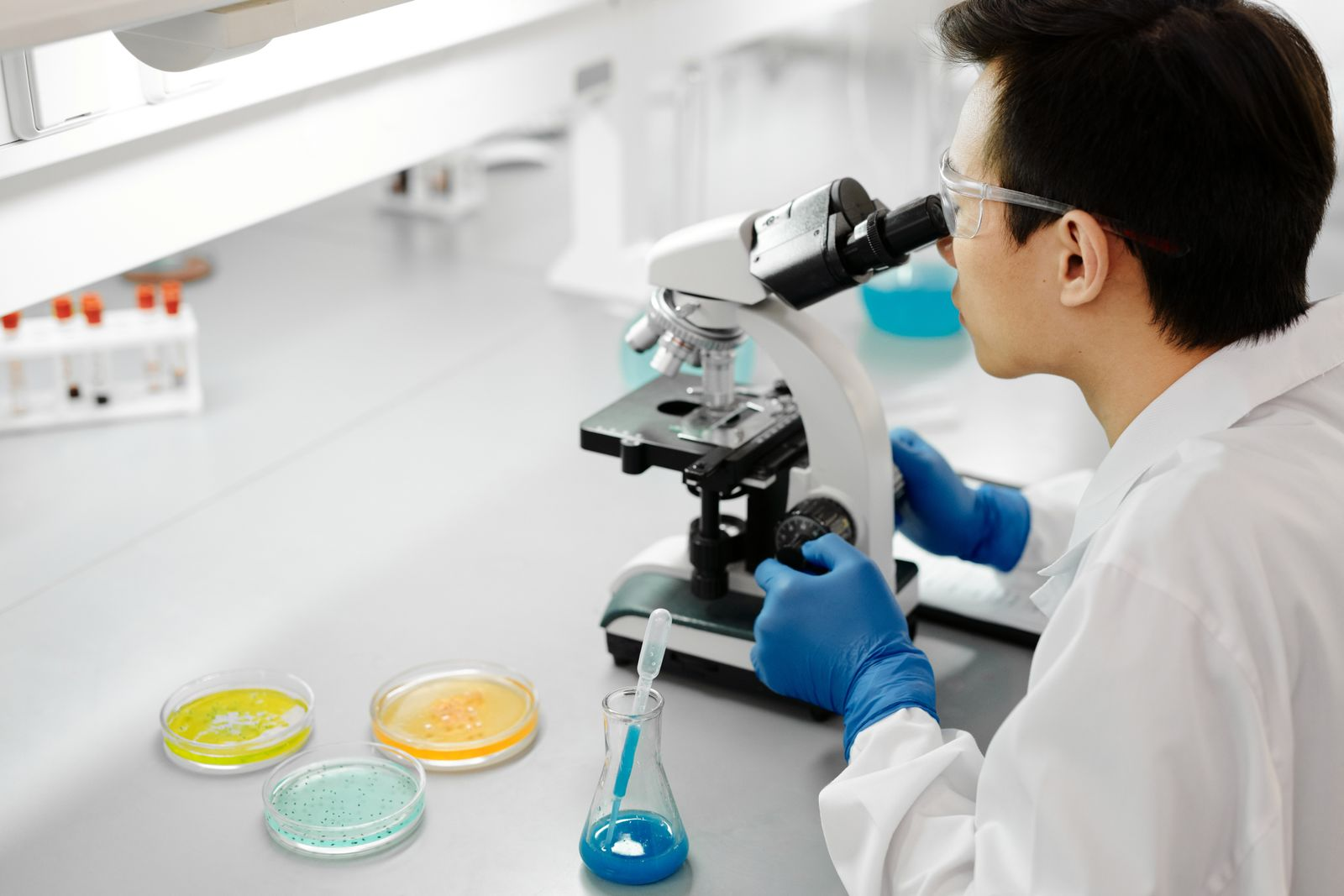
Infertility concerns both partners
Reproductive medicine addresses difficulty conceiving and disorders of reproductive function in women and men. It combines clinical assessment, tests and, when indicated, assisted reproduction treatments.
Assessment starts with your plans, how long you have been trying to conceive, age, medical history and any previous treatment. Both partners may be involved from the outset.
Assessment for women
Investigations may examine ovulation, ovarian function, the uterus and whether the fallopian tubes are open. Ultrasound and hormone tests may be suggested. Further investigations depend on your medical history and initial results.
When treatment involves hormone stimulation, the ovarian response is monitored. Ultrasound and blood tests help adjust the protocol and arrange the next steps.
Assessment for men
Semen analysis is a key part of male fertility assessment. It examines several semen characteristics, including sperm concentration, movement and shape.
Interpretation considers collection conditions and the medical context. Repeat testing or further investigations may be necessary. Male fertility care is part of the pathway and can influence the choice of assisted reproduction technique.
Intrauterine insemination
This technique places prepared sperm into the uterus around ovulation. When indicated, the cycle may involve hormone stimulation and ultrasound monitoring.
Insemination is discussed based on assessment results. It is not suitable for every situation and does not guarantee pregnancy. The doctor explains selection criteria, treatment demands and other options.
In vitro fertilisation and ICSI
In IVF, eggs and sperm meet in the laboratory. Treatment usually involves ovarian stimulation, egg collection, fertilisation and embryo development before a possible transfer into the uterus.
In some situations, ICSI may be offered, in which a sperm cell is injected directly into an egg. The choice of technique depends on the assessment and medical indication, rather than only how long you have been trying to conceive.
Explaining choices and coordinating care
Prof. Roberto Marci has developed clinical work in reproductive medicine and assisted reproduction. The consultation reviews results, discusses options and clarifies how care is organised.
Success rates vary according to the situation and technique. The doctor also explains treatment risks, alternatives and demands. Decisions may be reconsidered as investigations progress and according to your wishes.
Preparing for your first consultation
Bring hormone test results, ultrasound reports, semen analyses and documents about previous treatment. If these are not yet available, the first appointment can help determine which tests are useful.
Call reception on +41 22 347 38 83 for consultation information. Find us at 24 avenue de Champel in Geneva.
Frequently asked questions
Information to help you prepare for your consultation. Your doctor answers your questions with your individual situation in mind.
What is the difference between insemination and IVF?
Insemination places prepared sperm into the uterus at a favourable time in the cycle. In IVF, eggs and sperm are brought together in a laboratory before a possible embryo transfer into the uterus.
When might ICSI be offered?
ICSI injects a sperm cell directly into an egg in the laboratory. Its possible role is discussed according to assessment results, particularly semen parameters, and your treatment history.
How is ovarian stimulation monitored?
Ultrasound scans and, depending on the protocol, hormone tests monitor how the ovaries respond. The doctor adjusts treatment and plans the next steps according to the results and risks.
Can I find out the chances of success with assisted reproduction?
The doctor can explain the factors affecting your chance of pregnancy. These depend on the assessment and chosen technique. No treatment can guarantee pregnancy.
Further information: Reproductive medicine, HUG
Book an appointment
To book an appointment or ask a practical question, call reception.
Champel Gynaecology Centre
8 am to 5 pm